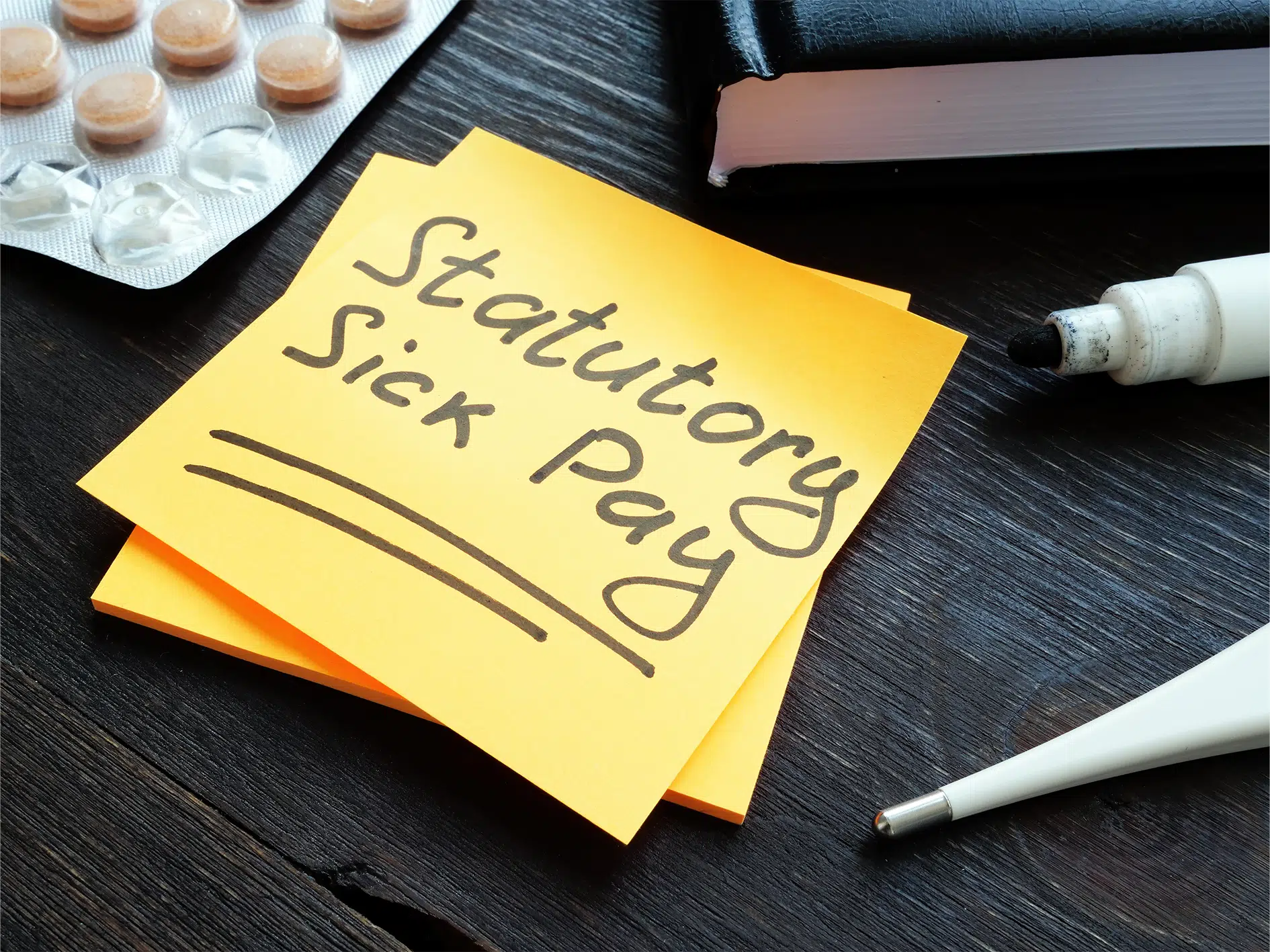

New Statutory Sick Pay Benefits
New Statutory Sick Pay benefits: what employers and employees need to know.
From 6 April 2026, Statutory Sick Pay is becoming more accessible. The biggest changes are that SSP will be paid from the first day of sickness instead of the fourth and the Lower Earnings Limit is being removed, meaning more lower-paid workers will qualify. The weekly SSP rate for 2026/27 is £123.25, or 80% of average weekly earnings if that is lower.
For employees, this is a meaningful improvement. Until now, many workers received nothing for the first three waiting days, and some lower earners did not qualify at all. From April 2026, eligible employees will be able to access SSP much earlier, which should make a real difference during short-term illness or unexpected periods off work. Government updates have said the change could bring up to 1.3 million more low-paid employees into eligibility.
For employers, the change means policies, payroll processes and manager guidance need to be updated. Businesses will need to budget for more day-one sickness payments, make sure managers understand the new rules, and ensure payroll reflects the revised calculation method. Acas confirms that the other eligibility rules still apply, but from 6 April 2026 SSP starts on the first full day of sickness absence and average weekly earnings are still calculated using the 8 weeks before the sickness absence.
In practical terms, these reforms are designed to create a fairer sick pay system. For workers, the benefit is obvious: quicker financial support and broader eligibility. For employers, while costs may increase at the margin, the upside is a clearer and more inclusive framework that may reduce confusion and help people recover without the immediate pressure of unpaid absence. The key now is preparation — reviewing contracts, policies and payroll processes before the April 2026 changes take effect.






Comments are closed