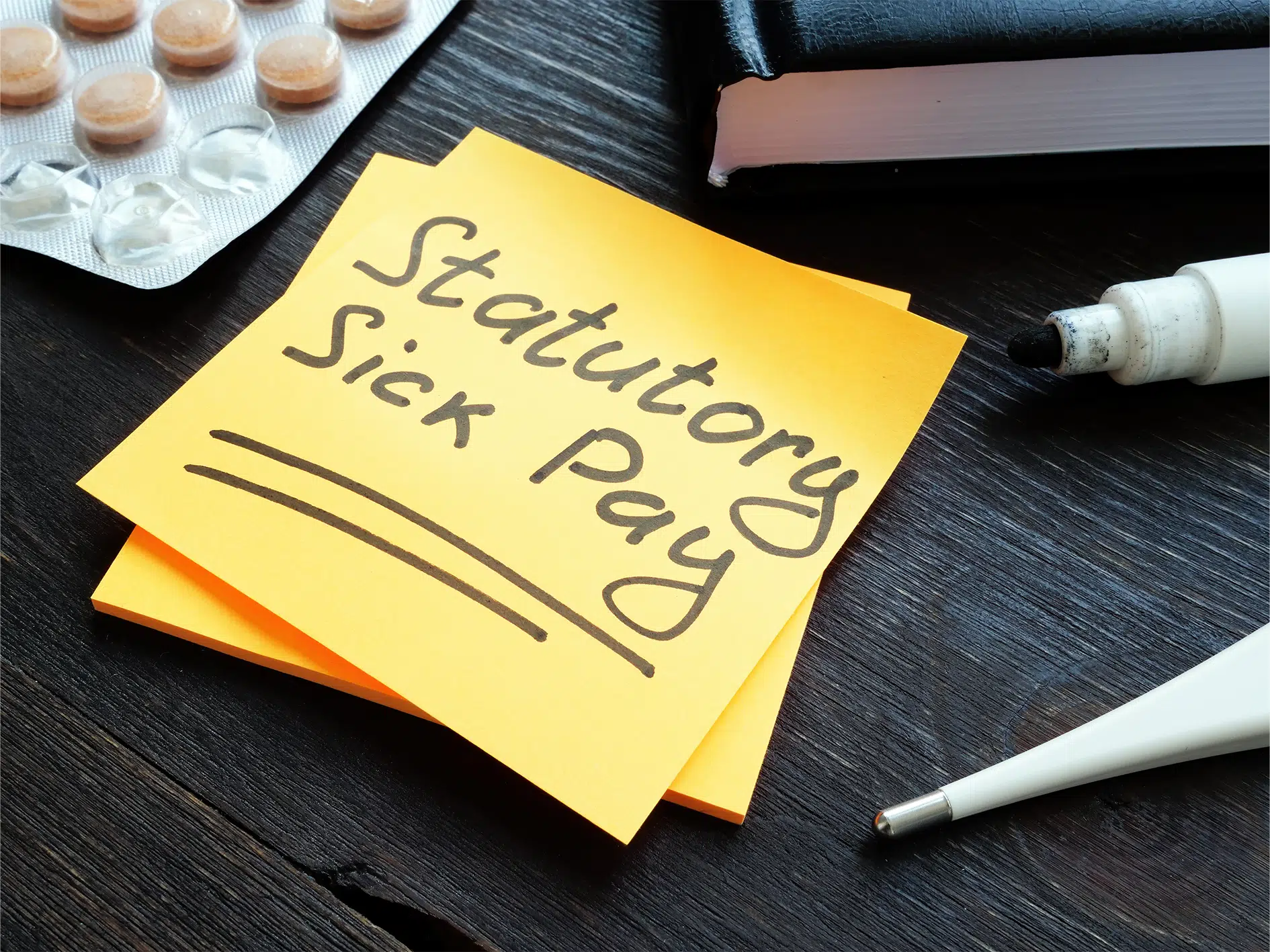

Employment Rights Act 2025
Employment Rights Act 2025
What day-one sick pay means for London employers (and candidates)
Sick pay is changing — and for many London employers, it’s one of the most practical parts of the Employment Rights Act 2025 to prepare for.
From 6 April 2026, Statutory Sick Pay (SSP) is expected to be payable from day one of sickness (instead of day four), and the Lower Earnings Limit will be removed, meaning more people will qualify.
For some lower earners, SSP will be calculated as a percentage of earnings rather than the flat weekly rate.
Why this matters?
In real terms, these changes are likely to affect:
-
Part-time, lower-paid roles and temporary staffing
-
Teams reliant on short-notice cover (front of house, facilities, admin support)
-
Organisations where absence can disrupt service delivery
What’s changing?
Today, SSP eligibility depends on meeting criteria including being off sick long enough (the “waiting days” rule) and meeting an earnings threshold.
From April 2026, SSP is expected to:
-
Start from the first day of sickness absence
-
Cover more workers as the Lower Earnings Limit is removed
What employers should do now
You don’t need a complex programme — just a sensible checklist:
-
Update absence policy and reporting
Make reporting rules clear: who to notify, by when, and what info is needed.
-
Check payroll readiness
Confirm your payroll can handle day-one SSP and updated eligibility rules ahead of April 2026.
-
Train managers on consistent return-to-work conversations
Good absence management reduces disruption and supports retention — especially where teams are lean.
-
Plan operational cover
If a single absence impacts delivery, build a plan for backfill (temp/contract) for business-critical roles.






Comments are closed